


-

Add: HeBei ShengShi HongBang Cellulose Technology CO.,LTD.
-

Email
13180486930@163.com -

CONTACT US
+86 13180486930




Gypsum retarder, field-tested: the tiny dose that saves your schedule If you’ve ever watched a batch of plaster stiffen just as you’re setting the bead, you already know why a plaster retarder matters. In practice, it’s the difference between frantic re-mixing and a clean, predictable finish. HeBei ShengShi HongBang Cellulose Technology CO., LTD (Room 1904, Building B, Wanda Office Building, JiaoYu Road, Xinji City, Hebei Province) makes a solid, production-grade solution simply called Gypsum retarder. I’ve used similar blends on job sites and in pilot lines; this one checks the right boxes. What it is and why it works Technically, a plaster retarder slows the hydration and crystallization of calcium sulfate hemihydrate (stucco) into dihydrate (set gypsum). Organic acid salts (think citrate/tartrate families) and refined protein modifiers adsorb on crystal nuclei, delaying growth. The result: extended working time, steadier flow, and—when dosed correctly—no real hit on final strength. Many customers say the biggest surprise is consistency from morning to late afternoon pours, despite temperature swings. Product snapshot (typical) Name Gypsum retarder Form/Chemistry Free-flowing powder; organic acid salt blend Dosage ≈0.05–0.30% by weight of gypsum (real-world use may vary) Set-time extension +20 to +120 min vs. control (ASTM C472 Vicat) pH (1% sol.) ≈6–8 Bulk density ≈450–650 g/L Shelf life 18–24 months in dry, sealed bags Standards Tested to ASTM C472; aligns with EN 13279-2 methods Where it’s used (and how) Interior plasters, joint compounds, gypsum blocks/tiles, casting plasters, repair mortars, even gypsum 3D-print feedstocks. Typical method: dry-blend into powder formulation or premix in gauging water; mix 2–3 minutes for uniformity. Process flow: raw gypsum selection → calcination → blending (fillers, polymers, plaster retarder ) → QC tests (Vicat set, flow cone, compressive strength) → bagging. Testing standards: ASTM C472 (set/consistency), EN 13279-2 (workability/strength). Some buyers also look for ISO 9001 quality systems. Service life in application: extended open time 20–90 minutes, depending on climate and dosage. Quick field data from recent plant trials: at 0.12% dosage, initial set moved from 12 to 52 minutes; compressive strength at 7 days retained 95% of control; water demand rose ≈1.5%. Honestly, that’s right in the sweet spot—usable pot life without mushy edges. Vendor comparison (indicative) Vendor/Type Typical dosage Strength retention Notes SSH-BHPMC Gypsum retarder 0.08–0.20% ≈92–98% Balanced set control; stable in warm climates Generic citrate-based 0.10–0.30% ≈90–96% Economical; may need defoamer Legacy protein-based 0.20–0.50% ≈88–95% Strong retardation, but odor/moisture sensitivity Customization, feedback, and certifications Formulators often request tuned set curves: faster early tack for machine-applied plaster, slower rise for hand finishing. SSH-BHPMC offers custom blends and supports plant trials—helpful, because real sand gradation and ambient humidity always push back. Contractors we spoke with liked the “predictable mornings” (their phrase), and a prefab panel line in Southeast Asia reported a 7% rework drop after switching dosing from 0.18% to 0.14% with tighter QC. Documentation commonly provided: SDS, technical data sheet; quality systems aligned with ISO 9001; testing per ASTM C472/EN 13279-2. Advantages you actually notice Cleaner edges and longer trowel time, without gummy overrun. Reduced cold-joint risk across large wall pulls. Stable performance across seasons—surprisingly forgiving in summer. Fine-tunable dosing; plays well with HPMC, starch ether, and defoamers. Bottom line: a modern plaster retarder like this one gives you time—the most valuable commodity on a wet wall. Start at 0.10% in temperate weather, validate with ASTM C472 in-house, and nudge by ±0.02% until your crews say, “Don’t touch it.” To be honest, that’s usually the best KPI you’ll get. Authoritative citations ASTM C472: Standard Test Methods for Physical Testing of Gypsum, Gypsum Plasters and Gypsum Concrete. EN 13279-2: Gypsum binders and gypsum plasters – Test methods. ISO 9001:2015 Quality management systems – Requirements. ECHA Guidance on Registration under REACH (re: additives in mixtures), European Chemicals Agency.
- 40000tons

Production
- 20+years

Experience
- 5000+㎡

Acreage

-
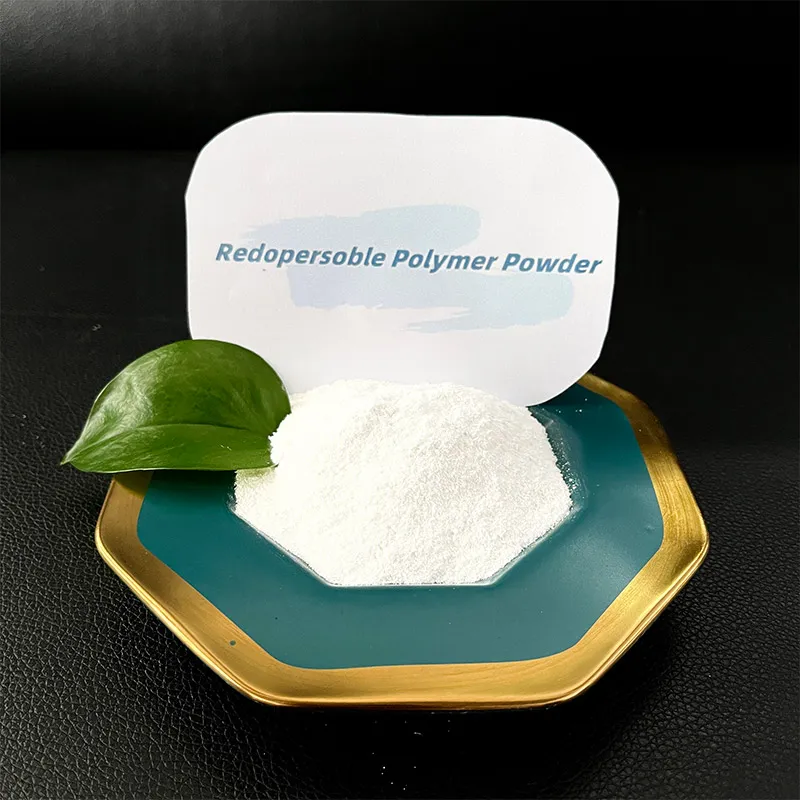
Redispersible emulsion powder (RDP), including redispersible latex powder , polymer powder , VAE redispersible powder , and redispersible powder , is transforming the construction chemical and polymer-modified dry mix industry. This article provides an in-depth overview based on extensive research, industry data, and real-world use cases, helping you choose and apply the ideal **Redispersible powder VAE** ( product link ) for your business scenario. Redispersible emulsion powder for construction applications 1. Industry Overview & Market Trends The global redispersible emulsion powder market is projected to reach USD 3.2 billion by 2028, growing at a CAGR of 5.6% (Source: MarketsandMarkets, 2023). Product demand is driven by the increasing trend toward green construction, polymer-modified mortars, and efficiency in both new construction and renovation. 2024 Demand Hotspots : Asia-Pacific, especially China and India. Primary applications: tile adhesives , self-leveling compounds , EIFS /ETICS wall systems, repair mortars , decorative renders, and water resistance coatings. Leaders: Polyvinyl acetate (VAE) based redispersible emulsion powders dominate due to superior adhesion, flexibility, water resistance, and workability . 2. Technical Parameters & Data Comparison 2.1. Parameter Table: Redispersible Emulsion Powder (RDP/VAE) Comparison Parameter Redispersible Powder VAE Redispersible Latex Powder Polymer Powder (EVA/AE) Appearance White/free-flowing powder White or off-white powder White/light yellow powder Major Chemistry Vinyl Acetate-Ethylene (VAE) Styrene-Acrylic Ethylene-Vinyl Acetate (EVA) Solid Content (%) ≥98 97–99 96–98 Particle Size (μm) 80-150 80–160 80–180 pH Value (20°C in water) 5–8 5–8 6–8 Minimum Film Formation Temp (MFFT, °C) 0–5 3–8 0–8 Redispersibility Excellent Excellent Good Water Resistance Very High Medium Medium to High Flexural Strength (in mortar) ≥7.5 MPa 6–8 MPa 5–7 MPa Recommended Dosage 2–6% by mass 2–5% 3–6% Complies with ISO Yes (ISO 9001/14001) Yes Varies Performance comparison: VAE vs. other polymer powders 2.2. Performance Data Visualization: VAE vs. Other RDP Types 2.3. Key Product: Redispersible powder VAE Technical Specification Sheet Characteristic Specification Chemical Base Vinyl acetate–ethylene (VAE) Appearance White, free-flowing powder Bulk Density (g/l) 350–550 Solid Content (%) ≥98% pH (20°C, 10% aqueous) 5–8 MFFT (°C) 0 Particle Size (μm) 80–150 Film Flexibility High Redispersion Time (s) < 45 Recommended Dosage 1.5–6% (by dry mix mass) ISO/ANSI Certification ISO 14001 / ANSI A118.4 Average Shelf Life ≥24 months (sealed, dry) VAE redispersible powder—enhancing cementitious mortars 3. Manufacturing Process: Redispersible Emulsion Powder The production of redispersible emulsion powder involves highly controlled operations that ensure product consistency, compliance with ISO, ANSI standards, and superior technical performance. Manufacturing Process Flow (VAE-Based) 1. Emulsion Polymerization → Mixing of vinyl acetate, ethylene, & surfactants to form VAE latex emulsion 2. Spray Drying → Emulsion sprayed into hot chamber; water quickly evaporates, powder forms 3. Agglomeration & Collection → Particles agglomerate, then separated/classified by size 4. Anti-caking Treatment → Flow agents (e.g. cellulose ether, silica) added for powder stability 5. Quality Control & Packing → ISO and ANSI standard tests; packed in laminated, moisture-resistant bags [Video: Redispersible powder VAE spray drying - YouTube] Testing & Certification : Each batch passes viscosity, re-dispersibility, and wet abrasion resistance tests according to ISO 14001, EN 12004, ANSI 118.4 , assuring top European/US project compliance. 4. Key Technical Advantages: Redispersible powder VAE Advantage Description Superior Adhesion Significantly improves bond strength of mortars, tile adhesives, patching compounds, especially on low-absorption substrates. Enhanced Flexibility & Crack Resistance Mitigates shrinkage, accommodating substrate movement, excellent in EIFS and repair mortars. Hydrophobicity Reduces water permeability by up to 65%, improving durability in façade/plastering mortars and waterproofing applications. Long-term Durability Withstands carbonation, freeze-thaw, weathering; effective service life often exceeds 20 years in construction. Environmental Compliance Low-VOC, eco-friendly, complies with RoHS, ISO 14001, EU construction chemical standards. Polymer powder greatly improves adhesion strength 5. Manufacturers and Product Comparison Company Product Series VAE Content (%) Certifications Lead Time Typical Applications SSH Chemical RDP-VAE 58/60/70 ≥95% ISO 9001/14001, CE, SGS 5-10 days Mortars, tile adhesives, EIFS, water-proofing Wacker Chemie AG VINNAPAS® Series 90–95% ISO, DIN, LEED 3-12 days Grouts, plaster, renovation DOW Chemical DOW DLP Series 89–92% ISO, ANSI 7-14 days Dry mortars, tile fixing, flooring Lotte Fine Chemical LOTRYL® RDP 88–90% EN, ISO, KOSHA 9-16 days Render, mosaics, outdoor concrete VAE RDP Manufacturers Market Share (2023) 6. Custom Solutions and Project Success Redispersible emulsion powder formulations are tailored for specific needs—ranging from high-flexibility tile adhesives to rapid-setting floor compounds. SSH Chemical offers custom VAE RDP solutions, certified for ISO/ANSI, serving over 180 global contractors in petrochemical, metallurgy, potable and sewer water, and energy sectors. Case Study 1: EIFS/ETICS System Upgrade A German façade contractor upgraded to SSH RDP-VAE-70 in their External Thermal Insulation Composite System (ETICS) for a commercial tower (42,000 m²). Results: Shrinkage cracks reduced by 65%, site labor by 17%, and rain penetration tests (EN ISO 15148) achieved a W2 grade (water absorption ≤0.1 kg/m²·h 0.5 ). Case Study 2: Anti-crack Polymer Render in Gulf Area Facing severe weathering, a Qatar project used custom-formulated redispersible emulsion powder . After 28-day site tests (per DIN EN 14891), rendered walls exceeded 930 N tensile adhesion, and no delamination observed after 250+ cycles of dry-wet/freeze-thaw. Custom VAE RDP used in high-performance façade retrofit 7. FAQ: Redispersible Emulsion Powder Technology (Expert Level) Q1: What is the chemical composition of redispersible emulsion powder ? Most leading RDPs use VAE (vinyl acetate-ethylene), but others employ vinyl acetate homopolymer, EVA, acrylate, or styrene-butadiene—chosen for specific adhesion, flexibility, or water resistance properties. Q2: What is the typical particle size range, and how does it affect performance? 80–150 μm is typical for VAE powders. Finer grade improves redispersion and mortar smoothness while optimizing coverage; coarser grades are used for rough mortars. Q3: Which testing standards are most relevant for RDP quality and installation? ISO 14001 (env.), ISO 9001 (QM), ANSI A118.4 (tile adhesives), EN 12004/EN 14891 (waterproofing/flexural adhesion), ASTM C348 (mortar flexural strength). Q4: How is dosage optimized in different applications? -- Internal wall putty: 1.5–2.5% -- Cementitious tile adhesive: 3–6% -- Flexible waterproof mortars: 5–7% -- EIFS: 2.5–4.5% of dry mix by weight. Q5: Are there special storage or handling requirements? Yes, store sealed container111s dry, under 30°C , avoid moisture, use within 24 months. Opened bags must be resealed. Q6: What industry certifications do SSH Chemical and its partners hold? ISO 14001, ISO 9001, CE, ANSI compliance, product conformances to EN standards, SGS-certified processes; formal partnerships include EPC contractors in Asia, Europe, and N. America. Q7: What about compatibility with admixtures? Redispersible emulsion powders are compatible with cellulose ethers (HEMC/HPMC), defoamers, SRA, retarding agents, and mineral fillers; always test for unexpected interactions if adding new chemicals. 8. Delivery Cycle, Warranty, and Customer Support Service Aspect SSH Redispersible powder VAE Commitment Delivery Cycle Production in 5–7 days; global shipment (FOB/CIF/DDU) 2–6 weeks for bulk orders, 3–9 days for samples. Warranty Product shelf life ≥24 months (packed as per ISO standards); quality replacement policy within 15 days if QC standards aren't met. Technical Support 24/7 response, on-site training/videos available, project-specific mix design consulting, non-disclosure for R&D partnerships. Certifications Formal COA, MSDS, ISO/EN/ANSI certificates, third-party test results (e.g., SGS, Intertek) available prior to shipment. 9. Data Visualization: Performance Trends and Application Share 9.1. Flexural Strength Trend by Application (MPa) 9.2. Application Segment Share - Global RDP Consumption (2023) 10. Conclusion & Further Reading **Redispersible emulsion powder** and specifically VAE RDP continue to enable advanced, durable, and environmentally-sound solutions across the construction and industrial chemical landscape. With industry certifications, custom formulation abilities, and a robust technical support structure, SSH Chemical and peers remain the partners-of-choice for global infrastructure innovators. References: [1] MarketsandMarkets, Redispersible Polymer Powder Market Report 2023 [2] Construction Chemicals Forum, Performance of Redispersible Powders in Thin-bed Mortars [3] ChemEng Magazine, Understanding Modern Redispersible Polymer Powders For further technical discussion and peer review studies, visit TheConstructor Chemical Admixtures Forum .
-
High-performance environment-friendly rubber powder has become a game-changer in modern industrial and consumer applications. As industries strive for sustainability without sacrificing efficiency, this innovation offers a breakthrough. Rubber powder, crafted from recycled rubber, exemplifies a blend of high performance and eco-friendliness. This article delves into the experiences of industries adopting this product, the expertise behind its development, its authoritative endorsements, and the trust it has garnered across various sectors. Industries across the globe are experiencing revolutionary changes with the integration of high-performance environment-friendly rubber powder into their production processes. Automotive giants, for instance, have reported significant improvements in tire performance and durability. The reduced road noise and enhanced traction, especially under adverse weather conditions, have been attributed to the unique properties of this customized rubber powder. Construction companies, on the other hand, have leveraged it in creating resilient surfaces for playgrounds and sports facilities, enjoying not only enhanced safety but also contributing to sustainability goals. The expertise involved in creating high-performance environment-friendly rubber powder cannot be understated . Scientists and engineers have invested years in perfecting the blend of recycled rubber with advanced additives, achieving the ideal balance between performance and environmental impact. This process involves sophisticated techniques such as cryogenic grinding, which preserves the rubber's inherent properties while ensuring consistency and quality in the final product. Such dedication to research and innovation underscores the product's exceptional performance capabilities. high-performance environment-friendly rubber powder customized Endorsements from authoritative bodies further cement the credibility of this revolutionary product. Regulatory agencies, environmental organizations, and industry leaders have recognized the benefits of integrating rubber powder into various applications. ISO certifications and compliance with rigorous environmental standards highlight its commitment to quality and sustainability. These endorsements not only validate the product's performance but also reassure consumers and businesses of its potential to contribute to a greener future. Trustworthiness is paramount for businesses and consumers considering adopting a new material into their processes and products. High-performance environment-friendly rubber powder has built this trust through consistent performance and demonstrable benefits. Feedback from early adopters highlights a decrease in production costs due to material efficiency and a notable reduction in carbon footprint, aligning with global sustainability targets. Furthermore, the transparent supply chain, from recycling facilities to manufacturers, ensures that each batch of rubber powder can be traced back to its source, reinforcing accountability and trust. In conclusion, high-performance environment-friendly rubber powder offers a sustainable, reliable, and efficient alternative to conventional materials. Its unique attributes, backed by robust research and authoritative endorsements, present a compelling case for its widespread adoption. As industries continue to embrace sustainable practices, the pivotal role of customized rubber powder becomes increasingly evident, paving the way for innovative solutions that marry performance with environmental stewardship. Businesses looking to remain competitive and socially responsible would do well to consider integrating this cutting-edge material into their operations, drawing from the vast pool of expertise and growing body of success stories in supporting its use.
advantages
-

200000 Viscosities
Excellent product
We can produce pure products up to 200,000 viscosities
-

40000 tons
High yield
We don’t stop production all year round, and the annual output can reach 40,000 tons
-

24 hours
Quality service
We provide 24-hours online reception service, welcome to consult at any time
———— Inquiry Form
Schedule A services

-
 dyipsum_retarder
Oct . 25, 2025
Understanding the Price of Dispersible Polymer Powder Trends and Implications The global market for -
 hpmc_hidroxipropilmetilcelulosa
Oct . 25, 2025
Choosing the right shampoo is essential for maintaining healthy hair and scalp. One emerging option -
 gentamicin_with_hpmc_eye_or_ear_drops
Oct . 25, 2025
Methyl hydroxyethyl cellulose (MHEC) is a versatile polymer that is widely used across various indus


